Enlightenmentmaxxing
Insightgooning, etc

I. Gradient Descent
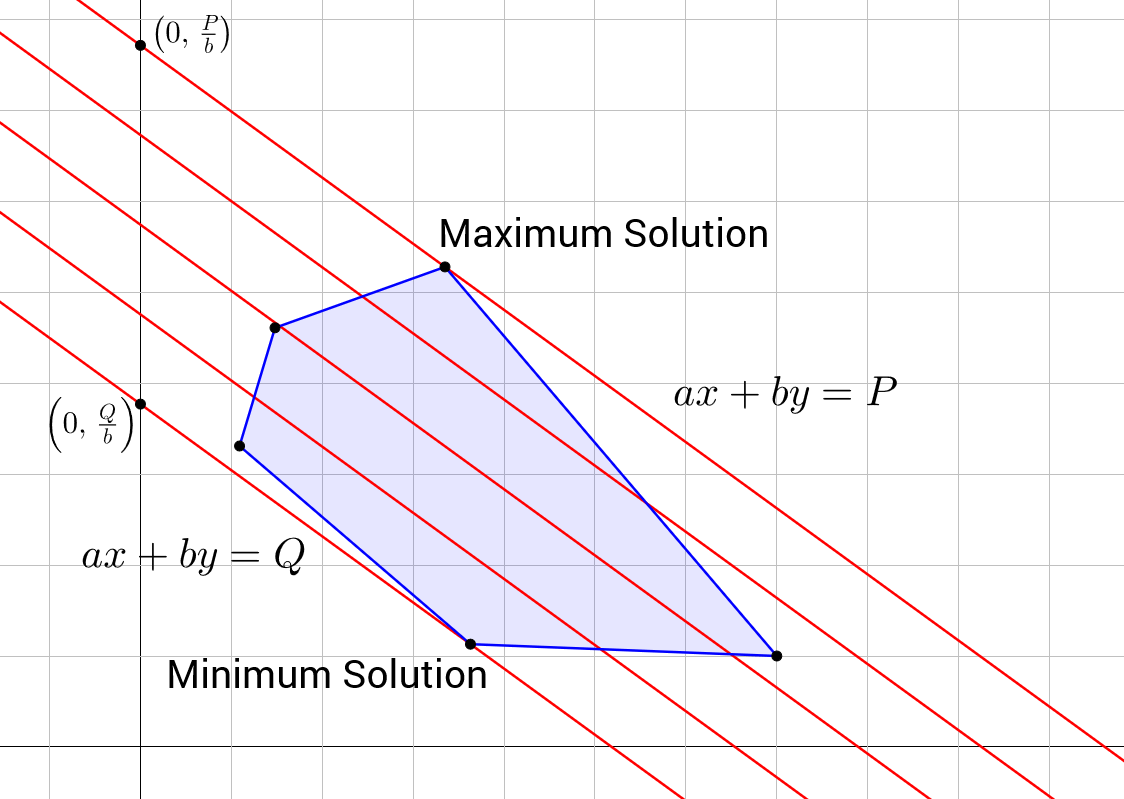
At university, I studied a particular kind of engineering focused on mathematical modelling and optimisation. We learnt how to take a difficult problem, such as building a hospital roster or scheduling trains on a network, and solve it using a computer.
This involved defining the problem in terms of its constraints, variables, and an objective function to be minimised or maximised.
I enjoyed my studies—so much so—that I internalised the mental framework of linear optimisation and began cheerfully applying it to the “problems” I faced in my own life.
One year when it came time to pick my courses and timetable, I created a variable for each potential course, set the constraints (no 12pm classes so that I could make it to the vegan lunch stall), and used a program to choose the timetable that would maximise my happiness for the semester.
There is a unique sense of gratification that engineers experience in exerting more effort automating something than just solving by hand.
All well and good in the context of an engineering degree. But what about when you begin treating life as an optimisation problem?
In my third year I had an interview with one of the big tech firms. I read somewhere that at this company they appreciate some originality so instead of formal interview attire I wore a Death band shirt.
I had prepared diligently for this interview, and shook the interviewer’s hand with confidence in my grip. I sat down, straightened spine.
Then he asked me:
“How do you know when you’ve found the right solution to a problem?”
Oh that’s easy. With a puffed chest I told him about how I had things all figured out. I had an algorithm for this, which my brain was perpetually running as software. The way to find the right answer is just complete enumeration—exhaustively consider every possible decision and outcome.
The interviewer, without sparing even a glance up from the notes he was writing, then asked “and that doesn’t ever get exhausting?”
The interview had been taking place inside of a tiny sound-proofed cubicle which now began to cave in. I sank into the chair while he went on scratching at his notepad. I don’t remember what I said next, and trying to recollect it again now— it’s like my brain has locked it away deep in cold storage with other memories too frigid for retrieval.
I didn’t receive an invitation to the next round of interviews.
The experience was painful for many reasons and I moved on quickly. I did end up finding a different job though, and later that year, the combined workload on top of my studies led me into the darkest depression I have known in my life.
At one point my parents sat me down and told me that I didn’t have to push myself this hard, I didn’t have to be doing this to myself.
But my objective function was set to academic success. I dissociated entirely from my emotions, out of necessity in order to continue pursuing the optimisation criteria I had set for myself. Being happy wasn’t one of the variables involved and at this point it therefore may as well not have even existed.

II. Writing on Substack
I began writing with the intention of synthesis.
Each piece had a logical argumentative structure.
Each piece would be tied up in a neat bow. My reader would enjoy the gift.
Eventually, I saw what I was really doing.
I was writing with the intention of metabolisis.
Difficult emotions put into words dissected and analysed.
Each piece declined to instruct, and tried to show.
Each piece put insight into the box, leaving the lid open for it to air.
Eventually, I saw how I was really doing.
I was writing with the intention of metastasis.
The structure that had once held me
Dropped away as I began to trust
In experiencing things directly, relentlessly
III. What a beautiful day
There was a week back in January this year that really did a number on me. I was sat in a Dharma talk and introduced to the idea of prapañca for the first time. It’s a Buddhist term for the tendency of the mind to generate conceptual proliferations.
I then proceeded to spend the week lost in conceptual proliferations mainly about how useful this new concept was, how I could use it, integrate it. How the mind grasps for things in the very same way and at the same time that the body braces and clenches. How this is connected with fear, where fear comes from, why it is there. What am I really afraid of? Is fear of death a misunderstanding of impermanence?
I’ve been seeking enlightenment in the same way that one seeks a solution to an algebraic equation. If I can just figure out the right formula to apply, then I’ll certainly attain what I’m looking for.
What happened next was me getting up from the desk and walking away from the worksheet. I may have gone outside for a walk and enjoyed the breeze and sounds of birds and cars and people around. Maybe even some sunshine.
And that’s why if you’ve been reading my Substack lately I apologise for the poetry.
And that’s why I haven’t been able to write for a while. It was such a delicate little thing for me to trust in myself to let go of conceptual mastery and just breathe. Over, and over again.
It came with a new fear of slipping backwards. If I start to engage with concepts, if I immediately try to package up and understand and analyse this new revelation in the same way that I usually do, it would be self-defeat.
So I’ll just try sitting with things for a little bit.
IV. Moksha
The central problem of the spiritual life is finding emotional equivalents for our intellectual understanding — Sangharakshita
Within Sikhism, there is a tradition of Seva: selfless service without the expectation of reward, for the sake of community welfare. I was at a Gurudwara a few months ago when my Mum told me to go into the community kitchen and find something to do.
The moment I picked up a bowl and began washing dishes, I felt insignificant. An elderly woman behind me is scraping food off plates. A man to my right soaks the dishes in a bath of warm soapy water before handing them to me to rinse off. At least a dozen cooks bustle around the kitchen, tending giant vats of boiling lentils. My mother is sweeping the floor of the dining hall, my brother pouring water for those seated.
Hundreds of people had gathered at this temple for a service and community meal. I became aware of myself as an ant within and contributing to something much greater than any concept of me. I forgot about myself and it felt like release, like liberation.
This wasn’t my first time doing the dishes. But the insight I had been giving such a hard time for distracting me from direct experience was now there to help me understand that very experience not just as a fleeting or random moment of expansiveness, but as a glimpse of something more… and more importantly, something worth genuinely orienting my entire life around.
A few weeks later, I was in a meditation class about to practice the Metta Bhavana, cultivation of loving-kindness. I can struggle with this practice, and on that particular day wasn’t feeling particularly loving or kind.
However, right before we began, the teacher leading the class recited the Transference of Merit and Self Surrender. It begins:
May the merit gained
In my acting thus
Go to the alleviation of the suffering of all beings.
My personality throughout my existences,
My possessions,
And my merit in all three ways,
I give up without regard for myself
For the benefit of all beings.
Hearing this, a vast expanse opened within my chest. As I sat in meditation, tingles of pleasure rose up from my heart and through my cheeks right to the crown of my head. I took all of this joy and I gave it away, gladly, to my friends, to my enemies, to everyone in London, and to the entire world.
And in giving it away I gained even more to give.
Lovely
Perceptive and beautifully written